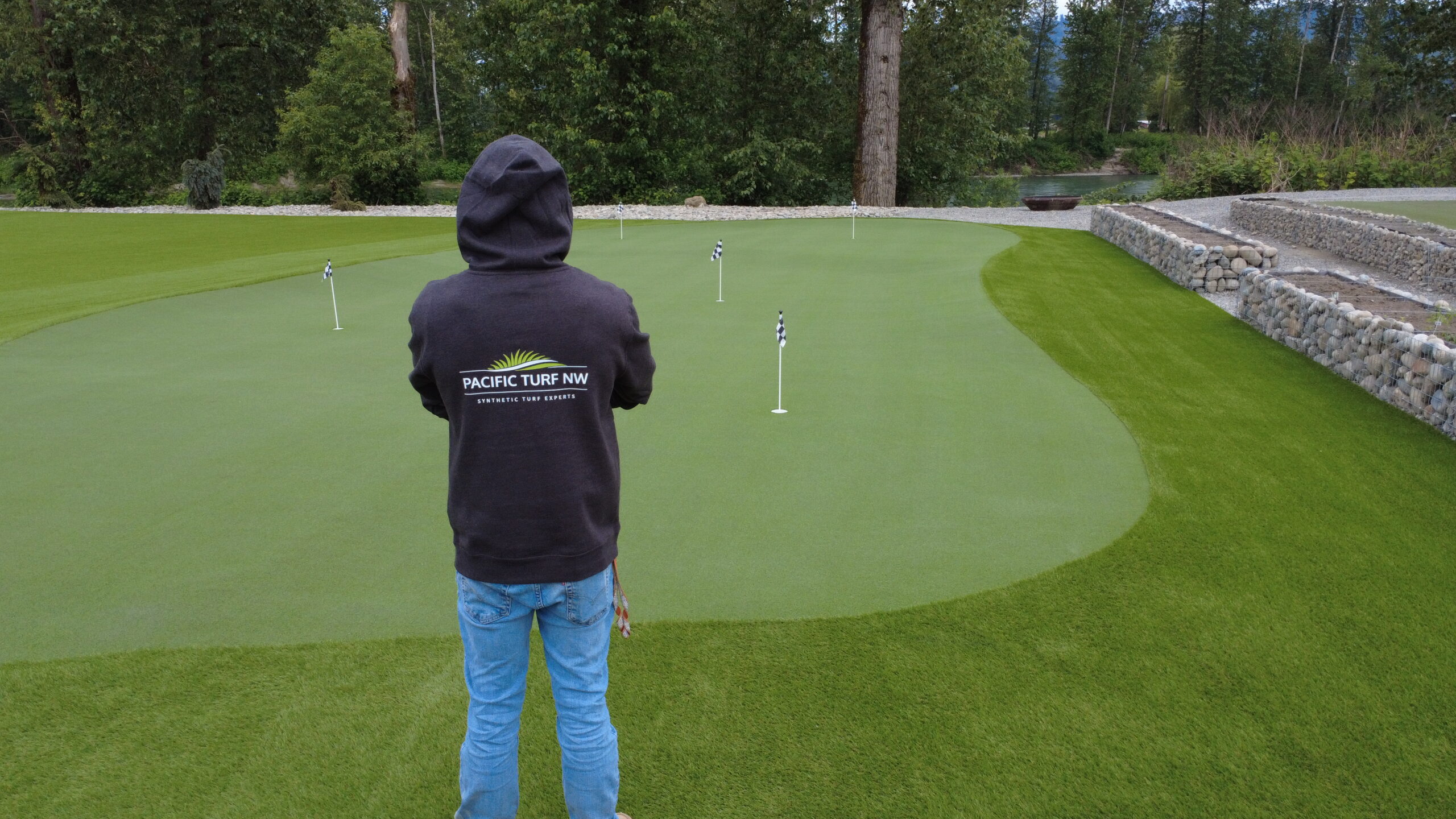
Upgrade Your Commercial Grounds Before the Rain Returns
Wet grass, slick walkways, and muddy entry paths are a big headache for commercial properties in the Pacific Northwest. Long, rainy seasons can turn lawns into rutted messes, create moss on concrete, and leave outdoor areas empty because no one wants to walk through puddles to get there. For businesses, that means worn-out grounds, more maintenance, and a weaker first impression.
Commercial synthetic turf installation gives you a way to break that cycle. When it is designed correctly for our climate, turf can handle heavy rain, stay green, and keep outdoor spaces open for customers, tenants, and staff. In this article, we will walk through the big items you need to think about before a project starts, including permits, ADA accessibility, and safety and drainage requirements, so your property is ready long before the next stormy season hits.
Understanding PNW Rules Before You Break Ground
In the Pacific Northwest, rules can change a lot from city to city and between counties. One area may treat synthetic turf like standard landscaping, while another may see parts of it as hardscape that affects stormwater numbers. On commercial sites, even small surface changes can trigger review when they affect drainage, parking, or accessible routes.
Permits or approvals are more likely to be needed when you plan to:
- Change grading in a way that redirects water
- Tie new drains into an existing storm system
- Install new concrete, curbs, or raised edging around the turf
- Alter walkways that connect parking, building entries, or play areas
- Reconfigure sports courts or designated play zones
Property managers and owners can save a lot of time by doing a little homework upfront. Helpful steps include:
- Contacting the local planning or building department to ask how they classify synthetic turf on commercial jobs
- Reviewing any rules from HOAs or property management groups if you are in a shared complex
- Working with an installer that is familiar with Pacific Northwest permitting forms, stormwater notes, and inspection requirements
When you get those answers early, you avoid last-minute surprises that slow your project right as the rainy season is starting.
Designing Synthetic Turf That Meets ADA Accessibility
ADA rules for outdoor areas focus on how people move across a site. Surfaces on accessible routes must be firm, stable, and slip-resistant. Slopes must be within limits, and there need to be clear, continuous routes from parking and sidewalks to building entries, gathering areas, and features like play spaces or seating zones.
Properly designed commercial synthetic turf can meet ADA expectations, as long as the system is chosen and built with access in mind. Key factors include:
- Selecting turf and infill systems that are tested for firmness and stability
- Building a compacted base that does not shift or rut under wheels or foot traffic
- Keeping the finished turf surface level with nearby sidewalks, ramps, and curbs so there are no abrupt lips or trip edges
- Planning drainage so water does not pond on accessible routes
We see this come up in all kinds of commercial spaces, such as:
- Office courtyards where staff and visitors need a clean, dry shortcut between buildings
- Retail plazas where turf seating lawns sit right off the main walkway
- Hospitality patios where luggage, strollers, and wheelchairs have to roll easily
- Inclusive play areas where kids and adults with mobility devices can reach equipment and move freely around it
ADA is not just about a checkbox. It is about making sure everyone can use the space comfortably without fighting soft, muddy ground.
Safety and Drainage Standards for High-Traffic Areas
Safety is always front and center on commercial property, especially once the wet months return. Slick surfaces, shallow puddles, and uneven transitions are all common problems when turf and hardscape are not planned together.
For synthetic turf, thoughtful drainage design is a big part of safety. A commercial system should:
- Use a well-graded base that moves water toward drains, not toward doorways or walkways
- Include permeable base layers that hold shape under load but still let water pass through
- Tie into existing storm infrastructure when appropriate so water does not collect at the edges of the turf
- Maintain slight, controlled slopes so water can flow off without creating steep or awkward areas
Beyond water control, some spaces need extra safety features. Play areas often require impact attenuation, which means the turf system needs safety padding and the right infill to help reduce the risk of injury in fall zones. Around buildings and patios, many property teams also look at fire-resistance ratings for materials.
Visual safety is important too. For example, we can:
- Add lines or striping for sports and games
- Use different turf tones or inlaid shapes to mark edges and paths
- Create strong visual boundaries around play zones or pet relief areas
These details help people understand where to walk, where to play, and where to be more cautious, even in low light or rainy conditions.
Meeting Pet, Play, and Sports Needs on Business Sites
Not every commercial turf space has the same job. A dog relief zone, a childcare play yard, and a fitness lawn at an office campus all need different performance from the turf system.
For pet areas, the design focus is usually on:
- Fast drainage so liquids do not sit on the surface
- Systems that work with cleaning routines
- Odor control strategies matched to the size and use of the space
- Durable turf fibers that stand up to claws and frequent traffic
Child play areas have their own set of needs. These often include:
- Appropriate fall protection under and around play structures
- Clearances that match play equipment layouts
- Surfaces that are firm enough for mobility devices, but still comfortable for kids to crawl or sit on
- Materials that can be cleaned often without breaking down
Light-use sports and wellness spaces at workplaces, schools, or multifamily properties call for consistent, stable footing. The turf must feel even underfoot for activities like stretching, casual games, and fitness classes. It also has to hold up to repeated high-traffic zones at entrances and along sidelines.
Across all of these uses, the biggest wins happen when the turf system and infill are chosen for the task and for the Pacific Northwest climate, so heavy use and constant moisture do not compromise safety or accessibility.
How to Choose a PNW-Ready Commercial Turf Partner
Commercial synthetic turf installation in our region is as much about planning as it is about the turf itself. A strong partner will understand local conditions, as well as the paperwork and standards that come with commercial work.
When you look for a turf installer for business property, it helps to find a team with:
- Experience working under PNW rain patterns and soil conditions
- Familiarity with ADA surfacing expectations and playground or safety surfacing standards
- A record of handling complex sites like sloped grounds, tight urban spaces, and shared-use courtyards
A few useful questions to ask include:
- How do you design the base and drainage for heavy, frequent rain?
- Are your turf systems appropriate for ADA test methods and accessible routes?
- What kind of documentation can you provide for code reviewers or property managers?
- What warranties and maintenance guidance come with the system?
At Pacific Turf Northwest, we focus on solving mud, moss, and maintenance problems that are so common in our wet climate, for both homes and commercial properties. For business sites, that means planning around permit needs, providing clear specs that make review easier, and timing installations so outdoor spaces are ready before the long, rainy season arrives.
Start Planning Your Turf Project Before the Next Storm Season
Many commercial properties have at least one outdoor area that never really works the way it should. Maybe it is a central lawn that turns to mud, a courtyard no one uses after the first big storm, or a play or pet area that is always closed because the ground is a mess. These spaces hurt the experience for tenants, customers, and staff, and they take time and effort to maintain.
A simple way to move forward is to walk your site with three things in mind: where the ground stays wet or muddy, where people are supposed to gather or move, and where pets or children play. From there, you can confirm local permit expectations, define how each area should function, and involve a commercial synthetic turf installation expert early so drainage, accessibility, and safety all get built into the design. With the right planning, your property can trade mud and moss for green, usable space before the next long stretch of Pacific Northwest rain returns.
Get Started With Your Project Today
If you are ready to upgrade your property with cleaner, low-maintenance green space, our team at Pacific Turf Northwest is here to help. Explore how our commercial synthetic turf installation can support your goals for appearance, safety, and long-term savings. We will walk you through design options, timelines, and budgeting so you know exactly what to expect. To discuss your project and get a tailored estimate, simply contact us.