Design Dog Runs That Actually Stay Fresh Year-Round
A good dog run should stay clean, drain well, and not knock you over with smells every time you open the back door. In the Pacific Northwest, that can feel impossible when you are dealing with wet grass, heavy rain, and constant mud. Add daily pet waste and you end up with dead patches, slippery paths, and a strong ammonia odor that never really goes away.
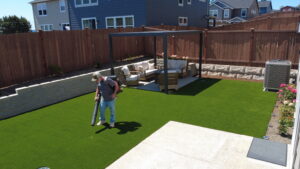
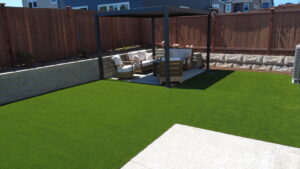
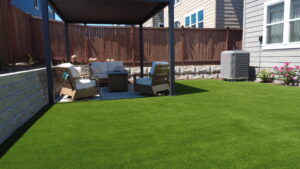
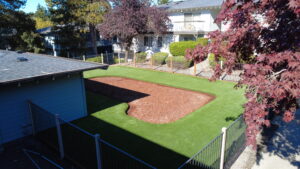
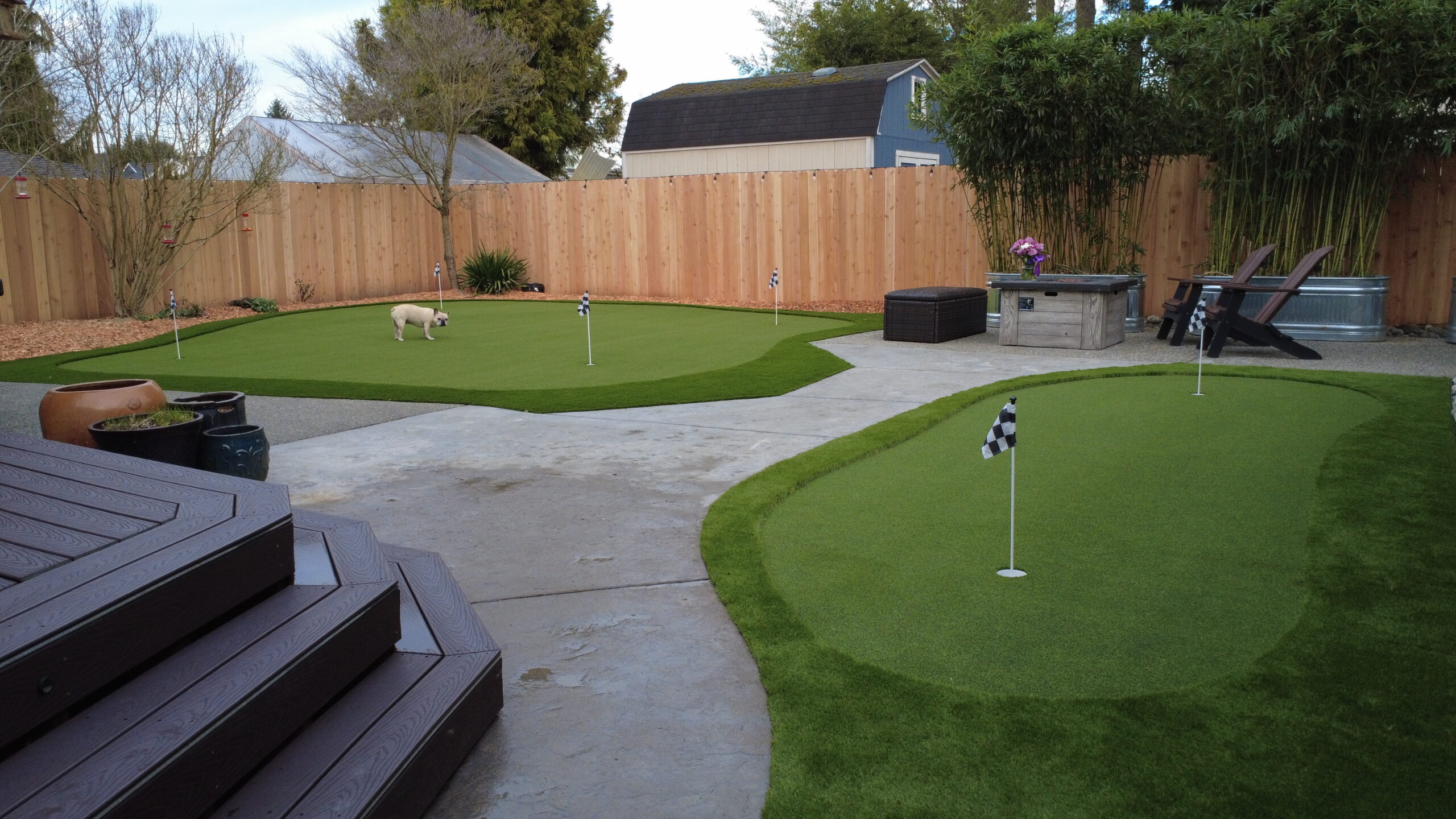
A pet-friendly artificial grass installation can fix those problems when it is planned for dogs first, not as an afterthought. With the right design, a synthetic turf dog run can stay low-odor, mud-free, and ready for play in every season. The key is building the system from the ground up: a smart base for drainage, an odor-fighting infill system, and rinse zones that make cleaning quick and simple.
Why Dog Runs in the Pacific Northwest Fail Without a Plan
Our long rainy seasons, clay-heavy or compacted soils, and shady backyards all tend to hold moisture. When pet waste soaks into that wet ground, it does not go anywhere. Urine can collect in low spots, bacteria grow, and smells build up over time. Even when the surface looks okay, the ground underneath may be sour and soggy.
Many dog runs fail because of a few common shortcuts:
- Using generic landscape turf instead of turf made for pets
- Skipping proper base prep and laying turf on dirt or thin gravel
- Ignoring slope, so water and urine have nowhere to go
- Relying on sprays or powders instead of building in real drainage and odor control
There is a big difference between any turf and a true pet-friendly artificial grass installation. Pet-focused systems are designed for:
- Frequent rain and heavy foot traffic
- Daily urine and solid waste
- Faster drying in shaded or cooler areas
When those needs are not built into the design, the dog run might look good at first but quickly turns into a smelly, soggy mess.
Building the Right Base and Drainage for Wet Climates
The base is the most important part of a dog run in our climate. A good base keeps the turf stable, lets water pass through quickly, and helps carry urine away from the surface.
Here is what goes into a strong base under pet turf:
- Excavation to remove soft topsoil and organic material
- Compacted layers of crushed rock or angular aggregate, not round pea gravel
- Enough depth so water and urine pass through the turf and infill into the stone layer
That stone layer acts like a mini drainage field under your turf. The rock pieces lock together for stability, but the gaps between them let water flow down and away. On top, the turf stays firm for running and playing, instead of shifting and rutted.
Good drainage design finishes what the base starts. That often includes:
- A gentle slope away from your house and patio
- French drains or channel drains at the low side of the dog run
- Tying new drains into existing drainage where it makes sense
Summer is often the best time to build or upgrade this base. Dry ground makes excavation easier, crews can compact the rock properly, and you get a fully settled dog run before the first big fall storm. A well-built base keeps the area usable when the rest of the yard turns muddy and lets your dogs enjoy outdoor time even during winter rains.
Odor-Fighting Infill and Pet-Specific Turf Systems
Urine odors do not come from the liquid itself, but from bacteria that feed on it. If urine sits in the turf and infill, it can start to smell strong. That is why the infill layer is so important. It supports the turf fibers, but it also plays a big role in how clean the dog run feels.
For pet areas, we focus on infills made to fight odor and work in wet climates, such as:
- Antimicrobial infills that slow bacteria growth
- Deodorizing mineral infills, often zeolite-type products, that absorb and trap ammonia
- Limited or no basic sand in high-use potty zones, since sand can hold moisture and smells
The right infill helps absorb urine, keeps it from sitting on the surface, and then releases it when you rinse, so smells are reduced instead of just covered up.
Pet-specific turf itself also matters. For dog runs, we look at:
- Backing systems designed to drain well
- Fiber shapes and pile height that are soft for paws but easy to rinse
- Cooler, more open designs that dry faster after rain
At Pacific Turf Northwest, we match turf and infill as a system. The goal is to balance comfort, cooling, and odor control, especially in our damp conditions where things can stay wet for days.
Smart Rinse Zones and Cleaning Routines That Actually Work
Even the best pet turf needs regular care. The good news is that with smart design, cleaning can be simple and fast. We call these areas rinse zones, parts of the dog run that are planned around how you will actually wash them.
A solid rinse zone includes:
- Easy hose access so you are not dragging a heavy hose across the yard
- Proper slope so water flows to a drain or gravel edge, not back toward the house
- A base and drain setup that can handle regular flushing
When you spray the area, you want water to pick up urine and light debris, then carry it down through the infill and out into the drainage system, not just move it from one corner to another.
For most dog owners in the Pacific Northwest, a simple routine works well:
- Pick up solid waste daily or as soon as you can
- Give the main potty area a quick rinse weekly in dry months
- Rinse more often during long cool, wet stretches when things dry slowly
For busy households or facilities with many dogs, we may suggest extras like:
- Hard-surface access paths so you can reach the dog run in any weather
- Sturdy edging that keeps infill in place during play
- Optional sanitizing systems or pet-safe cleaners for deeper cleanings
When the rinse zones and access are planned ahead, these steps feel like a quick habit, not a big chore.
Planning a Pet-Friendly Artificial Grass Installation with Confidence
A fresh, low-odor dog run is not about one product, it is about how all the parts work together. The right base keeps things stable and draining. The right infill and turf help manage odors and comfort. Smart rinse zone design makes everyday cleaning realistic for the way you live and how your dogs use the space.
Before starting a project, it helps to look at your own yard and habits. Think about:
- How many dogs you have and how active they are
- Where shade, sun, and wet spots show up through the year
- Any current drainage problems, like puddles along fences or by the patio
- Whether the dog run is mainly for play, potty, or both
Those details shape the best pet-friendly artificial grass installation plan for your home or property. At Pacific Turf Northwest, we design and install synthetic turf systems for pets across our region, and we have seen how a well-thought-out dog run can change daily life with dogs. With a solid plan for drainage, infill, and cleaning, you can enjoy a clean, dependable space that works through rain, mud seasons, and warm summer days.
Create a Cleaner, Safer Yard Your Pets Will Love
Transform your outdoor space into a durable, low-maintenance play area with our expert pet-friendly artificial grass installation. At Pacific Turf Northwest, we design and install turf that stands up to heavy use, is easy to clean, and feels great under paws. If you are ready to upgrade your yard for your pets and your family, reach out and contact us today. We will help you plan a solution tailored to your space, budget, and needs.