Good outdoor space is not just decoration for a business; it sends a message. When customers walk up and see a clean, green, cared‑for property, they tend to trust the business behind it and feel better about spending time and money there. When they see mud, bare spots, or trampled grass, that trust can drop fast.
In the Pacific Northwest, keeping real grass looking sharp all year is tough work. Constant rain, soft ground, then dry summers can make natural lawns a headache. Synthetic turf gives businesses a different path, one that keeps the property looking polished while cutting down on stress and upkeep. In this article, we will talk about when commercial synthetic turf installation makes sense, which properties benefit the most, and what to think about before making the switch.
How Smart Turf Investments Boost Business Appeal
First impressions happen in seconds, often in the parking lot or at the front walk. Customers notice if an entry feels tidy, safe, and cared for long before they step inside the building. A smooth, green lawn or courtyard can help support that feeling of quality.
Natural grass in our rainy area often fights against:
- Mud at entrances and along walkways
- Bald spots in high‑traffic routes
- Mowing, edging, and constant cleanup
- Puddles and ruts after storms
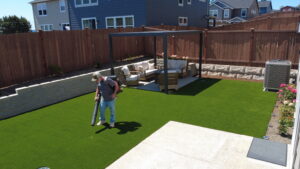
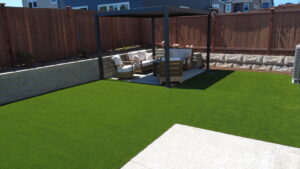
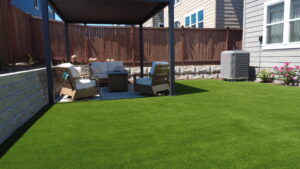
Synthetic turf offers a different kind of experience. It keeps a consistent, finished look, even when the weather is rough and foot traffic is heavy. That can support your brand image, especially for businesses that rely on curb appeal and outdoor photos.
When synthetic turf is planned correctly, it can be a smart business move. It can:
- Keep outdoor areas looking clean year‑round
- Reduce day‑to‑day maintenance headaches
- Help staff focus on core work instead of lawn issues
The key is knowing where turf makes sense and where natural grass is still fine. The rest of this article breaks that down so you can decide what fits your property.
When Synthetic Turf Outperforms Natural Grass
Our Pacific Northwest climate brings long stretches of rain in fall and winter, with wet springs and drier summers. That mix is hard on natural lawns. Grass can get waterlogged for months, then stressed when watering rules tighten.
Common issues businesses see with natural grass include:
- Muddy entrances and walkways that look messy
- Slippery slopes and side yards that are hard to mow
- Worn‑out edges near parking lots and sidewalks
- High‑traffic shortcuts where grass never seems to grow back
- Allergy concerns for staff and visitors around blooming grass
Synthetic turf can outperform natural grass in several specific spots:
- High‑traffic walkways where people cut across the lawn
- Shady areas where grass is thin or patchy
- Narrow strips along sidewalks, curbs, or medians
- Courtyards and front entries used in marketing photos or tours
Late summer is a good example of the difference. While many natural lawns turn tired and dry, synthetic turf still looks green and well-kept. For businesses that need a photo‑ready property for listings, brochures, and online reviews, that steady look matters.
Business Cases That Benefit Most From Turf Upgrades
Not every commercial property needs synthetic turf everywhere. But some types of sites see larger benefits when they upgrade key areas.
Places that often gain the most include:
- Retail centers and shopping plazas that rely on curb appeal
- Office parks and business campuses with central courtyards
- Medical campuses where a clean, stable surface is important
- Hotels and hospitality properties that want inviting outdoor zones
- Multifamily communities and senior living properties with shared lawns
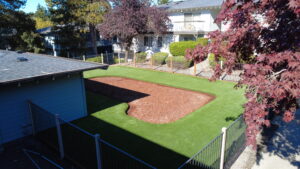
Pet‑focused and family‑focused businesses often feel turf pain points even more. Dog daycare facilities, veterinary clinics, pet‑friendly apartments, and hotels that welcome dogs all need clean, mud‑free outdoor areas. Synthetic turf can keep these spaces usable, even when it is rainy, and can be designed to help manage drainage and cleaning.
For recreation and amenity spaces, turf can also help with safety and function. We often see requests for:
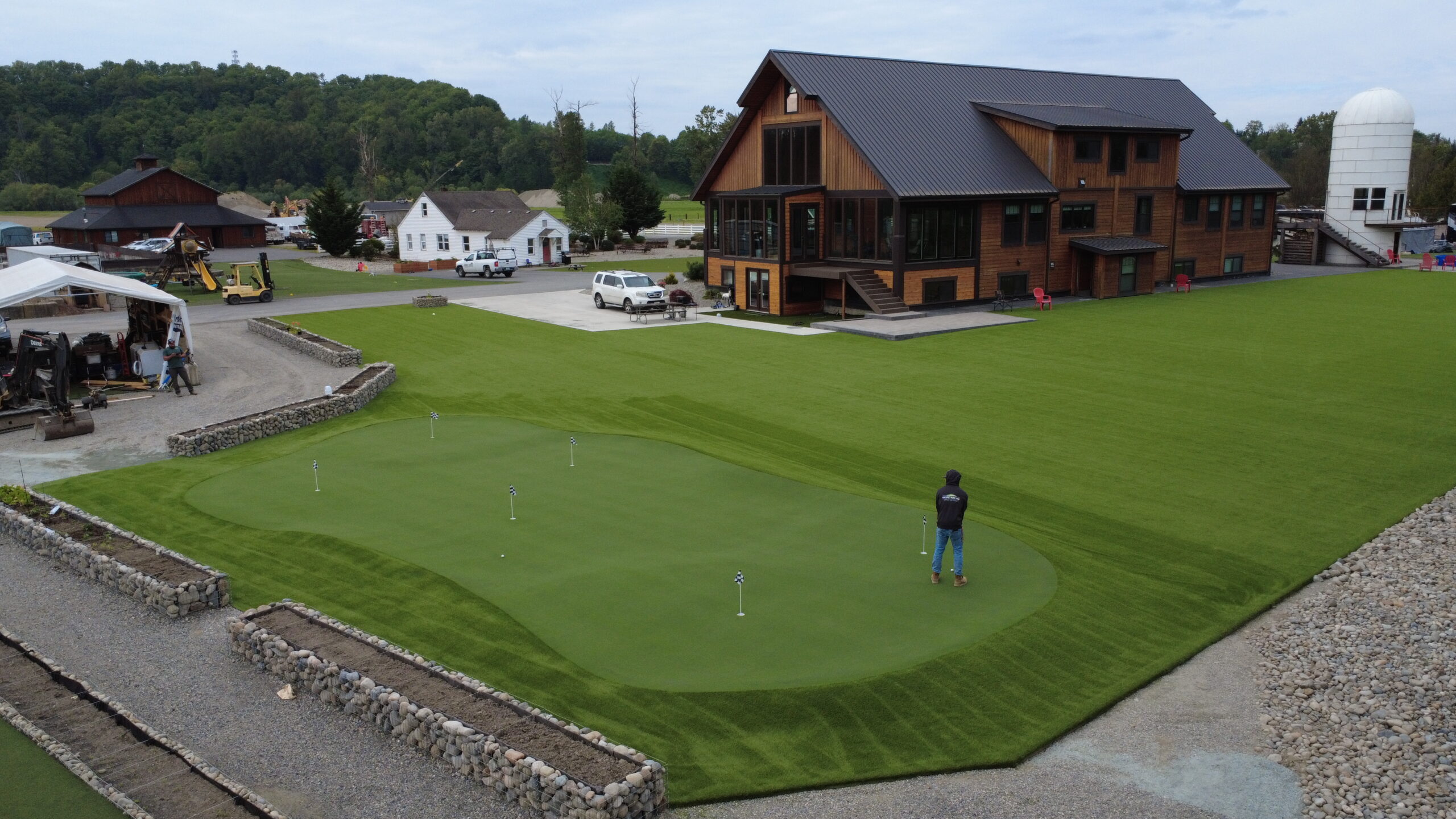
- Putting greens at corporate campuses or mixed‑use properties
- Rooftop or courtyard decks that need soft, usable surfacing
- Small play areas where consistent footing and drainage matter
Synthetic turf can also unlock awkward or forgotten spots. Steep slopes, skinny side yards, and rooftop corners can become:
- Simple seating or lounge areas
- Small pet relief spaces
- Visual green accents that soften concrete and asphalt
Turning those tough areas into usable outdoor zones can help tenants and customers feel more connected to the property.
Crunching the Numbers on Commercial Synthetic Turf
While we are not talking about exact pricing here, we can look at what usually shapes the cost of commercial synthetic turf installation. Key drivers include:
- Total square footage
- How much base prep and grading is needed
- Drainage design for our wet Northwest climate
- Turf quality and pile height
- Design details like curves, borders, and inlays
When comparing natural grass to synthetic turf, it helps to think about long‑term costs, not just the initial project. Natural lawns often require:
- Regular irrigation in dry months
- Mowing, edging, and trimming
- Fertilizers and weed control products
- Reseeding and patch repair
- Cleanup and repairs after storms or heavy use
Synthetic turf shifts more of that spending to the front end, then reduces many of those ongoing tasks. Modern commercial turf, when installed correctly, is built to last for many years. Over time, that can soften the impact of the initial project by lowering day‑to‑day lawn costs.
There are also risk‑related savings to consider:
- Less mud tracked into buildings, which can lower cleaning needs
- Fewer slippery, uneven spots that might raise safety concerns
- Better drainage that cuts back on standing water in high‑use areas
- More reliable outdoor amenities that do not shut down after rain
Looking at your current maintenance and water bills over several years can help show when turf might pay off for your property.
Design, Performance, and Sustainability Benefits
Synthetic turf has changed a lot over time. Modern products are designed to look and feel closer to real grass, with varied blade shapes, colors, and textures. That lets us match the look to the space, whether it is a high‑end entry, a casual play area, or a hard‑working pet zone.
For Pacific Northwest businesses, performance is just as important as looks. Quality turf systems are built with:
- Advanced drainage so water moves through and away quickly
- Stable bases that resist rutting and sinking
- Infill types selected for the use of the area
There are also environmental angles to consider. Synthetic turf can help:
- Reduce outdoor water use compared to irrigated lawns
- Cut back on fertilizers and certain lawn chemicals
- Limit gas‑powered mowing and trimming needs
Comfort and user experience matter too. Many projects include details like:
- Cooler infill options compared to older styles
- Cushioned underlayment for play, seating, or light exercise
- •Pet‑focused designs that support cleaning and odor control
All of these choices can be customized to how your property is used day to day.
How to Decide If Now Is the Right Time to Install
If you are wondering whether commercial synthetic turf installation makes sense for your property right now, it can help to walk through a simple checklist.
Ask yourself:
- Are current lawn areas hurting first impressions or photos?
- Do you get regular complaints about mud, mess, or slippery grass?
- Are water rules or dry summers making it hard to keep grass green?
- Are maintenance teams or vendors spending a lot of time on the same lawn trouble spots?
- Are you planning other property updates or branding changes soon?
Late summer and early fall can be a smart planning window for turf projects in the Pacific Northwest. Many businesses prefer to complete work before the long rainy stretch, so new surfaces are ready when wet weather hits. That way, outdoor spaces head into winter with stable footing and a cleaner look.
A local, experienced team can walk the site, look at drainage and slopes, talk through how each area is used, and help shape a design that fits long‑term goals. At Pacific Turf Northwest, we focus on premium, ultra‑realistic synthetic turf for both homes and commercial properties in our region, with special attention to pet‑friendly lawns, putting greens, and custom solutions for our rainy climate.
If you review your outdoor spaces through this lens and compare your current upkeep costs to the long‑term benefits, you will have a clearer sense of whether synthetic turf is the right move for your business.
Get Started With Your Project Today
Transform your commercial space with a clean, durable surface that looks great year-round. At Pacific Turf Northwest, we specialize in commercial synthetic turf installation tailored to your property’s specific needs and usage. Our team will walk you through design, materials, and scheduling so you get a solution that works for your budget and timeline. Have questions or ready for a quote? Just contact us to begin.