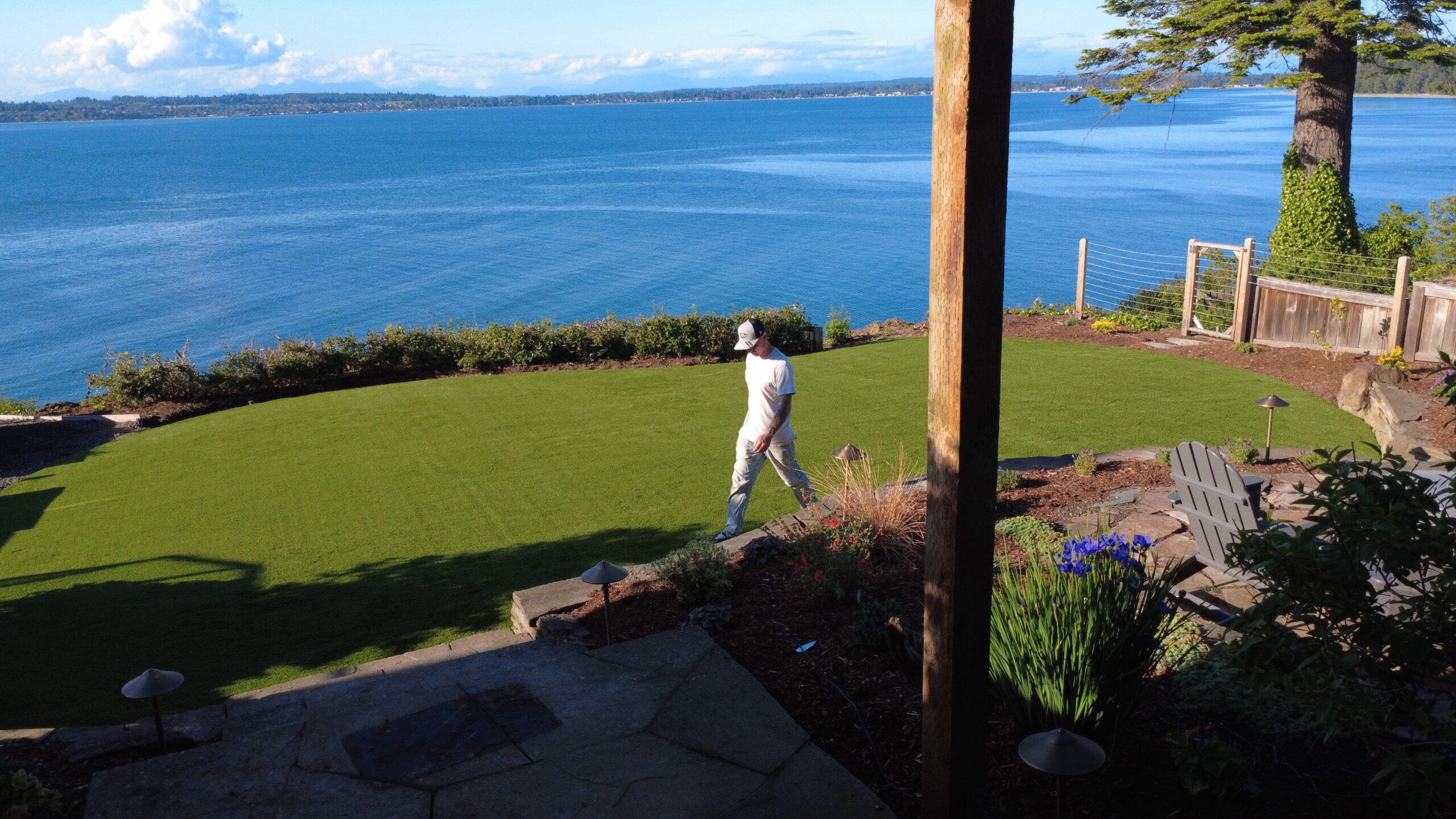
Busy play areas like childcare yards take a beating. Kids run hard, games move fast, and floors wear down quickly under all that use. Keeping these outdoor spaces safe and clean is no small task, especially when they’re open year-round and expected to stay in good shape through wet spring mornings and chilly fall afternoons.
That’s where commercial synthetic turf installation starts to make a lot of sense. It’s not just about how the turf looks. It’s about how well it holds up, how safe it feels underfoot, and how much less work it takes to keep the area ready for the next day of play. Turf creates more consistent, cleaner, and easier-to-manage spaces, something every busy childcare center or school can appreciate.
Built to Handle Heavy Play
High-traffic outdoor spaces are tough on natural grass. When kids play outside every day, they don’t stick to the same spots. They run, slide, and roll across every corner of the yard. That kind of movement quickly turns grass into bare dirt or mud. Grass that once looked green and welcoming soon becomes patchy, which isn’t what anyone wants for an active play space.
Synthetic turf is made for it. It bounces back after all-day use and keeps things looking fresh without needing patching or reseeding. Unlike grass, turf doesn’t get torn up or leave behind slippery, worn areas near play structures or under swings. Everything stays even and secure, making it easier for kids to move freely. For energetic play, it offers a more predictable surface that helps kids of all ages enjoy the space. Throughout the week, staff and teachers can worry less about accidents in those busy zones where the ground might be uneven after a tough winter or a wet week.
Another part that matters is what’s underneath. Padding can be added under the turf to soften falls and make the surface feel better on small feet. When you know kids are using the space every day, little details like that add both comfort and peace of mind. These underlying layers are part of what creates a safe play zone, and it’s easier to maintain over the long run than mulch or wood chips. By choosing materials that work together to keep surfaces level and soft, staff can spend less time picking up or topping up mulch, and more time focusing on the kids themselves.
Cleaner and Easier for Staff and Parents
Grass stains. Muddy shoes. Dusty clothes. These are just part of the picture when natural grass wears down. Dirty walkways and sticky back entries make life harder for staff and frustrating for parents at pickup time. When kids move from a messy yard to the classroom or car, that mess travels with them.
Turf takes most of that mess out of the equation. Because there’s no soil getting kicked up, surfaces stay cleaner. Turf dries faster too, so you don’t have to deal with puddles or sloppy patches after a light spring rain. Kids can play right through it without tracking anything inside. Aside from making life easier at the end of the day, cleaner yards mean less time spent scrubbing carpets or mopping floors near the doors.
And with less dirt being moved around, maintenance stays simpler. Staff aren’t spending time sweeping paths, raking mulch, or refilling footing material. That might seem small, but when it happens daily, it adds up. A cleaner outdoor area can make the whole drop-off and pickup routine smoother for everyone involved. For staff at schools or childcare centers, this means being able to focus more on supervision and activities, instead of cleaning and repairs.
Another benefit is that turf creates a uniform surface. Grass, especially in shaded or frequently worn spots, might grow unevenly and start to show bare patches. This can result in dust or mud rising up onto nearby walkways, which can make the outside of the building look less tidy. Turf, on the other hand, helps keep outdoor appearances up, making everyone feel more welcome and reducing extra cleanup.
Stays Safe in All Weather
In the Seattle area, weather can be unpredictable. One day might be dry and sunny. The next can be wet and soggy by mid-morning. For play areas, that makes it harder to stay open and safe. Parents and staff want a yard the kids can use as often as possible, without having to worry if it’s too slippery or muddy for safe play.
Turf offers more consistency. It drains quickly, which means no water pooling or long drying times. This is especially useful during spring, when back-to-back rainy days are common. Even a freshly soaked turf field dries faster than grass, giving more flexibility on when outdoor time can happen. On a morning after rain, outdoor play is likely to go ahead as scheduled rather than being canceled due to mud or puddles.
It’s not just about convenience. When surfaces stay dry and evenly packed, kids are less likely to slip or trip. Natural grass, when slick or worn down, becomes uneven and tricky to manage. Turf helps avoid these problems by staying smooth and ready to use, even in changing conditions. Keeping kids safer on their feet makes a real difference, particularly when running or group games get energetic.
Synthetic turf isn’t only good at handling water. The surface stays even during season changes, so you don’t get sudden holes or ruts from thawing ground in early spring or patchiness during late summer. This consistency matters for large and small play areas everywhere, helping to keep active kids safer and activities running smoothly.
Year-Round Reliability for Seattle Facilities
Seattle’s climate doesn’t give many breaks. Cool, damp seasons can stretch into late spring, while summers are short and mild. That’s why turf works well for childcare yards and schools in this area. It keeps going when natural ground coverings wear out or go dormant. With real grass, you might try to reseed or patch bare places, only to wait weeks for growth to return, especially during those gray months.
Turf stays green without fading and keeps the whole yard feeling like it’s kept up, even when planting or reseeding isn’t an option. This matters when you’re trying to provide access to outdoor space not just in sunny July but in early May and late September too. Synthetic turf means more chances to play outside, no matter what the calendar or weather brings, so the kids can get the most out of the space year-round.
That kind of dependability brings one big advantage: less downtime. Programs don’t have to cordon off areas because of flooded patches or unsafe footing. Play continues, week after week, without waiting for the ground to catch up with the schedule. For programs that build their rhythm around daily outdoor time, less disruption means happier children and less rescheduling.
Not only do longer stretches of use mean more value from the yard itself, but they also help with keeping routines consistent for kids, staff, and families. Parents appreciate knowing that, rain or shine, the outdoor space will likely be ready and safe at drop-off or pick-up times. Programs can focus on planning fun activities instead of worrying about whether they’ll need to move everything indoors due to ground conditions.
Why Turf Makes Sense for Busy Outdoor Spaces
Play yards don’t stay quiet for long. Whether it’s toddlers chasing bubbles or older kids running obstacle courses, these spaces see wear fast. We’ve found that synthetic turf is a steady solution for that kind of traffic because of how well it handles mess and movement. The surface can handle the busy routines of a childcare center or school yard, keeping up with the pace of each day.
It gives outdoor areas a consistent look, saves time on dirty cleanup tasks, and creates a safer, dryer space across the year. When installed correctly, turf creates a setting that works for both the people managing the facility and the kids using it every day. Its continued performance over many seasons helps lawns, play spaces, and gathering areas stay welcoming for everyone who uses them.
For places built around daily outdoor activity, especially in the Pacific Northwest, it’s worth considering how long a surface will hold up and how well it works in cold, damp, and busy months. Turf checks the boxes for strength, safety, and year-round simplicity. Choosing this kind of surface can be the difference between always needing repairs and always having a ready-to-use space.
At Pacific Turf Northwest, we know how important it is to have outdoor spaces that can keep up with the needs of busy childcare and school environments. When those areas are built for daily use, they need to hold up through rainy springs, dry summers, and everything in between. Our approach to commercial synthetic turf installation focuses on safety, durability, and year-round reliability. If you’re looking to make outdoor play areas more dependable and easier to maintain, we’re here to help, so reach out to us to start the conversation.