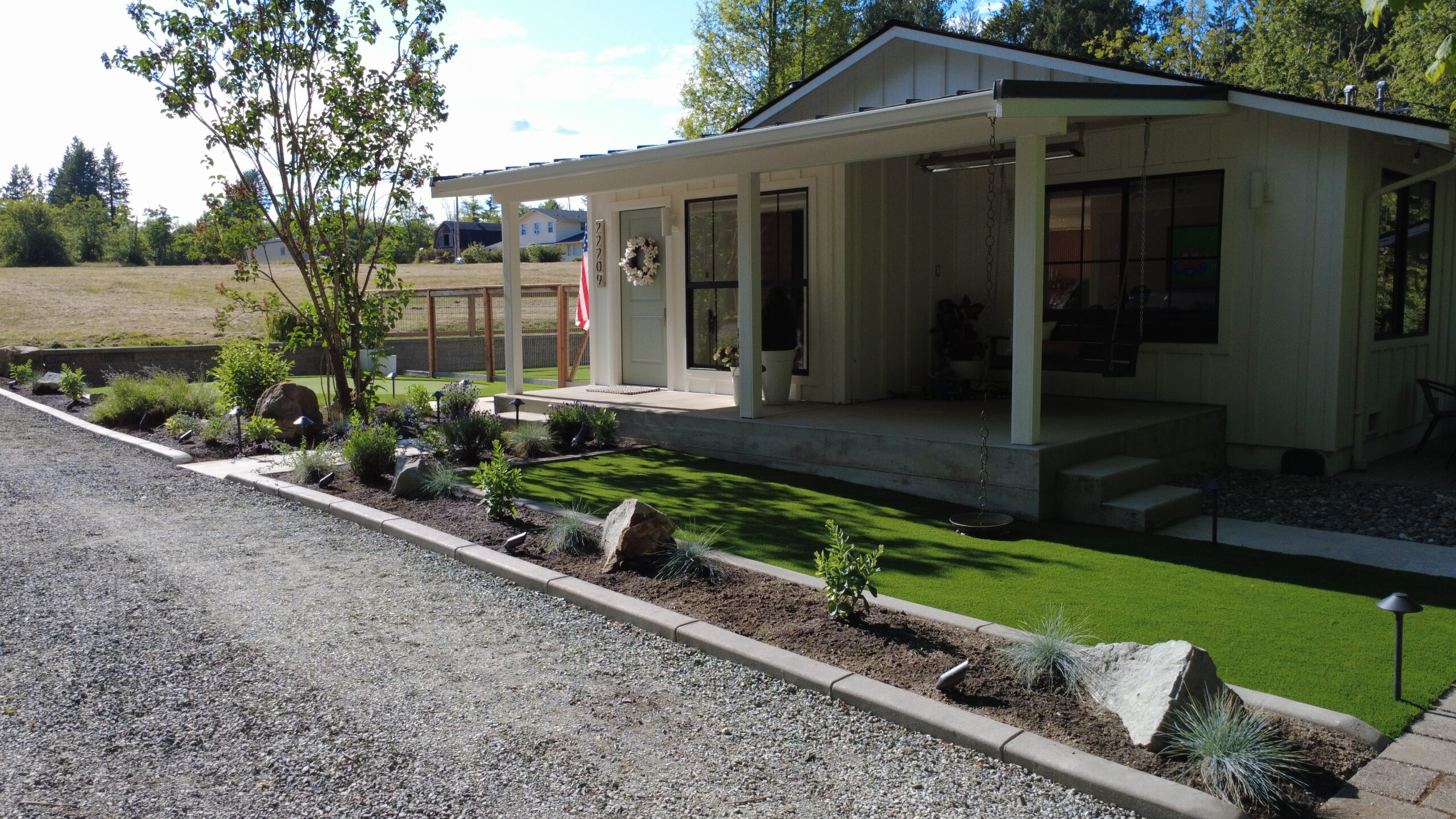
Seattle’s Soggy Yard Problem Has a Hidden Cause
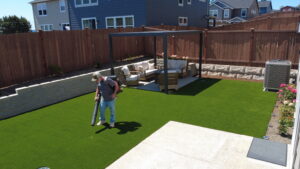
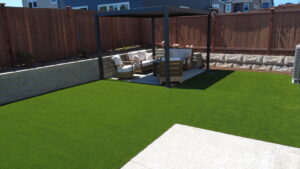
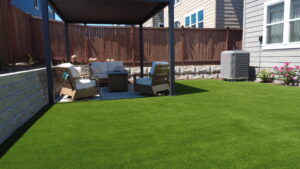
Synthetic turf in Seattle is about more than having a green yard. For many homeowners, it is about finally fixing a lawn that never really dries out, no matter how long it has been since the last storm.
Late summer can be confusing here. The sun is out, the sidewalks are warm, but your yard still feels soft, lumpy, and tired from months of rain. Many people blame thin grass, moss, or a “bad lawn.” In reality, the bigger problem usually sits under the grass. Poor drainage, compacted soil, and heavy shade keep moisture trapped just below the surface.
Modern synthetic turf systems are built from the ground up as drainage systems first and as beautiful lawns second. When they are designed for local rain, clay soil, and shade, they quietly fix issues that regular grass never could. In this article, we explain the hidden drainage problems common in Seattle yards and how a professional turf system can solve them before fall storms return.
Why Seattle Lawns Stay Wet Long After It Stops Raining
Seattle gets long, drawn-out wet seasons, then a short stretch of dry weather. The soil spends months soaking up water. By the time summer comes, the ground never really gets a full reset, especially in yards with poor drainage to begin with.
Several hidden issues make lawns hold water:
- Compacted glacial till or clay subsoil
- Slight grading errors that send water to the wrong spots
- Thick thatch layers that act like a sponge on top of the soil
When soil is compacted, water cannot move down very far. It sits near the surface, right in the root zone. If grading is off even a little, low areas collect more water each storm and stay soggy days longer than the rest of the yard.
Shade makes the problem worse. Tall trees, tight city lots, and neighboring homes block sun and airflow. That slows evaporation and keeps grass blades and soil damp. Constant moisture invites moss, fungus, and weak roots, so even during a dry week, the lawn still feels tired and wet underneath.
Common signs of poor drainage include:
- Ground that feels spongy or squishy when you walk across it
- Mower ruts that never quite smooth out
- Moss that returns quickly after every effort to remove it
- Brown or yellow patches that pop up after heavy rain
When these issues stay unaddressed, any effort to grow a traditional lawn becomes a cycle of reseeding, aerating, and patching. You spend time and money treating symptoms, while the real problem is hidden under your feet.
How Synthetic Turf Systems Quietly Rebuild Yard Drainage
Many people think synthetic turf in Seattle is just plastic grass rolled out on top of dirt. That kind of shortcut install is exactly what we avoid. A professional system is really a layered drainage rebuild with turf on top.
A quality installation usually includes:
- Stripping out soggy topsoil and organic material
- Reshaping the area to create a gentle, planned slope
- Installing a deep, permeable crushed rock base
- Laying turf with a high-flow, perforated backing
The crushed rock base is the star. It acts like one huge French drain under your yard. Water passes through the turf, then spreads into the rock layer where it can move sideways and down instead of sitting in puddles. Because the base is compacted to the right density, it stays stable underfoot traffic while still letting water travel through.
The turf itself matters too. For our climate, we look for products with fast vertical drainage, not dense plastic that holds water on the surface. Tiny holes in the backing let rain and hose water run straight through into the base, which allows the lawn to shed water faster and dry more evenly.
This is why proper subbase design is so important. It is not about laying grass on top of whatever soil happens to be there. It is about:
- Choosing the right base depth for expected water flow
- Compacting the base to support pets, kids, and furniture
- Planning the slope so water leaves low spots instead of running into them
At Pacific Turf Northwest, we tune each project to the yard. Steep slopes, tight city side yards, and shaded low corners all need slightly different base depths and drainage patterns. The result is a system that works quietly every time it rains.
Solving Mud, Moss, and Shade Problems in One Upgrade
Drainage might sound technical, but what you feel day to day is simple: mud or no mud. Poor drainage turns into a list of headaches that many Seattle homeowners know too well.
You might see:
- Muddy dog paths carving tracks along the fence
- Bare, slick patches where kids play
- Constantly wet moss that feels slippery to walk on
- Shaded zones where grass never grows, only weeds and slime
A well-built synthetic turf system tackles all of this at once. The fast-draining base keeps the surface firm, even in low, shady parts of the yard. Dogs can run the same paths all winter without tracking mud into the house. Kids get a stable place to play instead of a swamp that needs days to dry out.
Without living thatch and saturated soil, moss and many common lawn diseases lose their favorite home. There is no thick organic layer to hold moisture at the surface. That makes high-traffic areas safer and less slick in wet weather.
For pet owners, drainage is extra important. When the base is designed correctly and paired with the right infill, urine washes through fast and does not sit in the turf layer. With good rinsing and airflow through the base, it is easier to manage odors and keep the area fresh.
This is how synthetic turf helps reclaim spaces that have always been a problem, like:
- Narrow side yards that never see full sun
- Strips along north-facing fences
- Under trees where roots compete with grass
Instead of bare dirt and mud, those spots become part of the usable yard.
Preparing Your Yard Before Fall Rains Return in Seattle
Late summer is the moment when your yard finally feels dry enough to walk without sinking in. It is also the best time to fix drainage and plan upgrades before the long rainy season returns.
Synthetic turf projects often need some lead time for site visits, design, and scheduling. If you wait until the first big storm, that muddy mess will probably be with you for the rest of the season. Planning ahead lets the work happen under more stable, dry conditions, which helps the base and turf perform better in the long run.
A simple late-summer yard check can reveal a lot:
- Low spots that still have thin or stressed grass
- Areas that browned out early, a sign of shallow, compacted soil
- Paths that feel hard and shiny from frequent foot traffic
- Corners that stayed soggy long after the rest of the yard dried
It also helps to think about how you really use your yard when it rains. Do pets need a reliable potty zone? Do kids want a place to play even when the rest of the yard is sloppy? Do you walk along certain paths all winter and wish they were less slippery?
A professional assessment can uncover grading issues you may not see at a glance. Often, the same work that sets up a turf installation, like adjusting slopes and improving the base, can correct long-standing drainage problems at the same time.
Take the Water Out of Your Yard Worries
For Seattle homes, synthetic turf is not just a way to “fake” a green lawn. It is a way to finally deal with drainage, mud, and shade problems that grass has never been able to overcome. When the system under the turf is engineered for our climate, the lawn stops being a guessing game every time clouds roll in.
A well-designed turf yard means fewer muddy paws to clean, safer places for kids to run, and more days you can actually use the space instead of waiting for it to dry out. By paying attention to what is happening under the surface, Pacific Turf Northwest helps yards work with our rain, not fight against it.
Get Started With Your Project Today
If you are ready for a low-maintenance, green lawn in every season, our team at Pacific Turf Northwest is here to help. Explore how synthetic turf in Seattle can transform your yard into a consistently usable, beautiful space. We will walk you through every step, from design to installation, so the process is straightforward and stress-free. Have questions or want a tailored quote for your property? Just contact us to get started.